A shelf to glance at and remember.
These notes are here to bring an idea back into view. Sometimes the cover is enough. Sometimes I need the reminder underneath it.
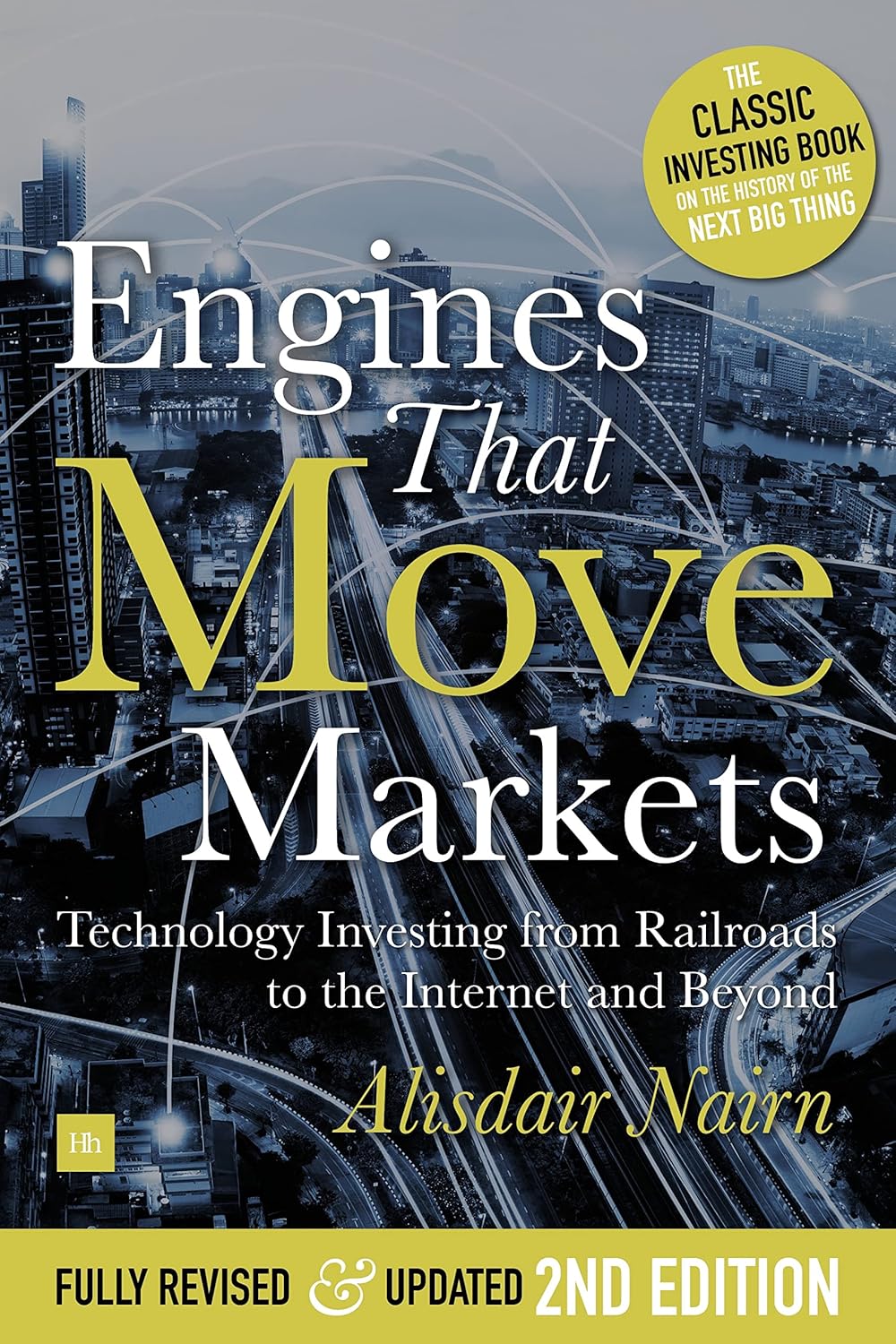
Finance · Technology
Engines That Move Markets
What I want to remember
A fascinating exploration of technological innovation cycles and their impact on financial markets. Nairn's historical perspective helped me understand how technology revolutions create investment opportunities and risks. The parallels between past tech booms and today's market are striking and valuable for long-term investment thinking.
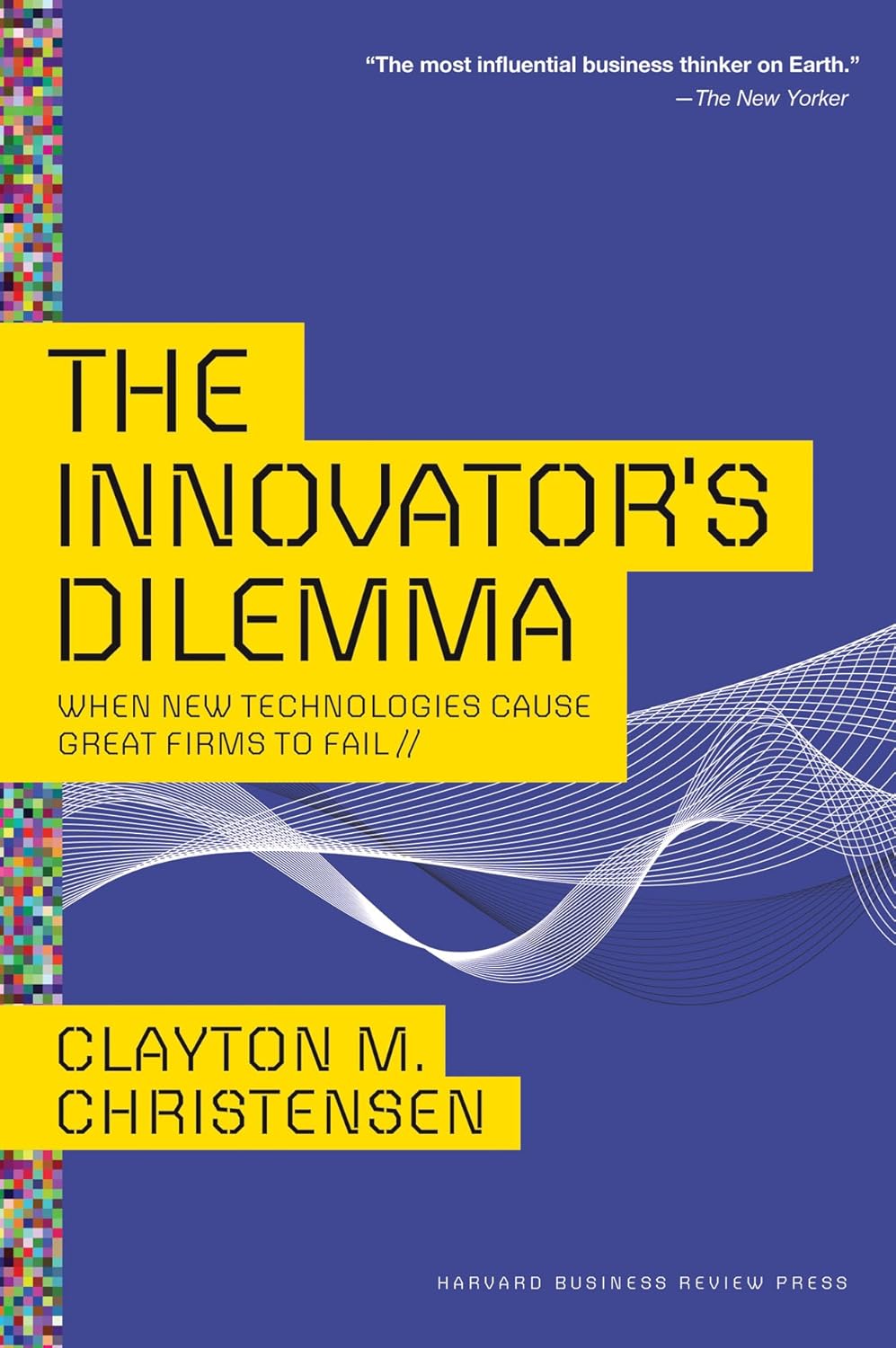
Business · Innovation
The Innovators Dilemma
What I want to remember
Christensen's concept of disruptive innovation fundamentally changed how I think about business strategy. The paradox that well-managed companies can fail precisely because they do everything right is profound. This book taught me to look beyond current customer needs and consider how seemingly inferior technologies can reshape entire industries.
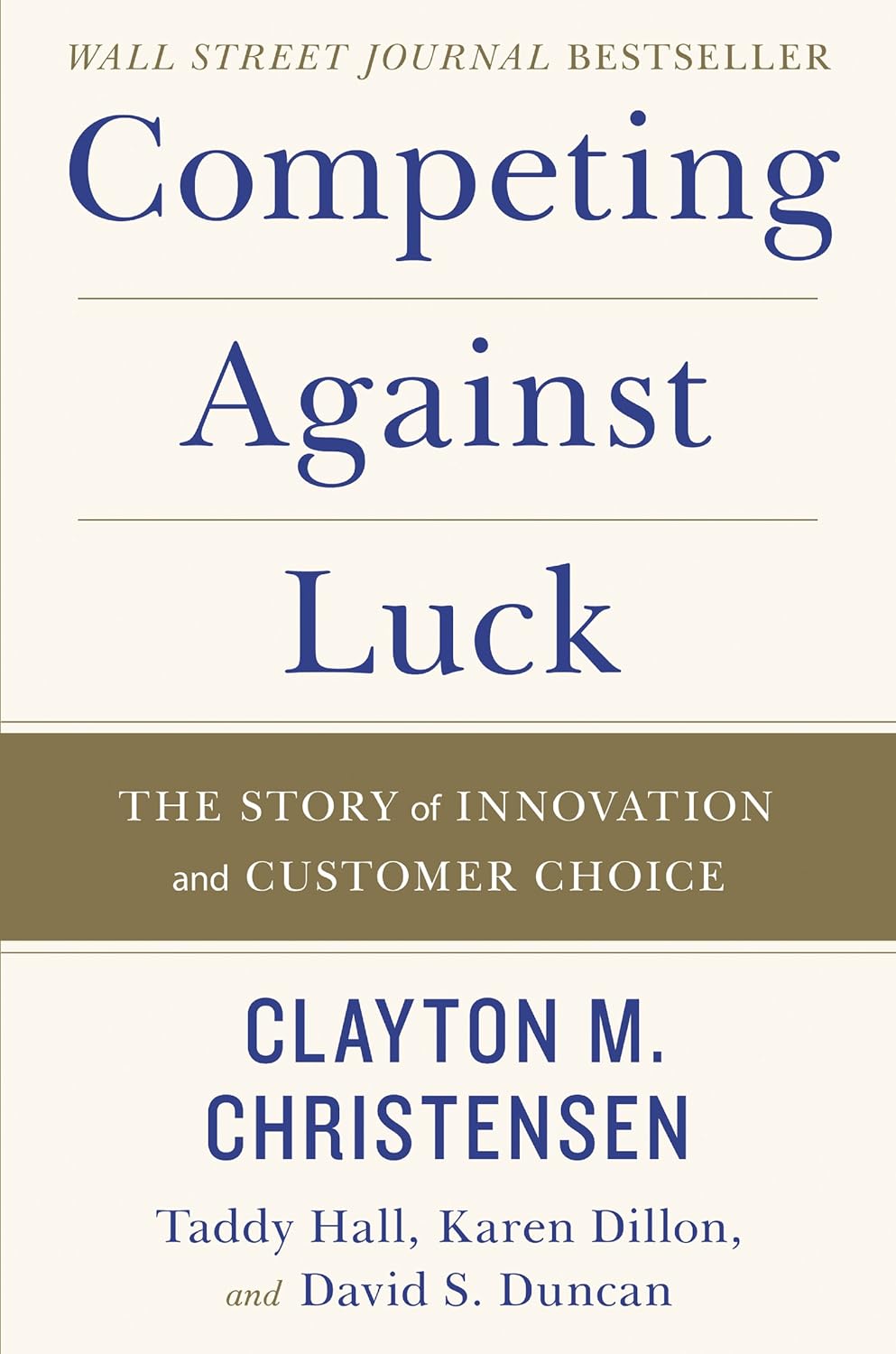
Business · Innovation
Competing Against Luck
What I want to remember
Christensen's Jobs-to-be-Done theory transformed my approach to product development. Understanding that customers "hire" products to solve specific problems in their lives creates a powerful lens for innovation. This framework helped me focus less on customer demographics and more on the progress people are trying to make in particular circumstances.
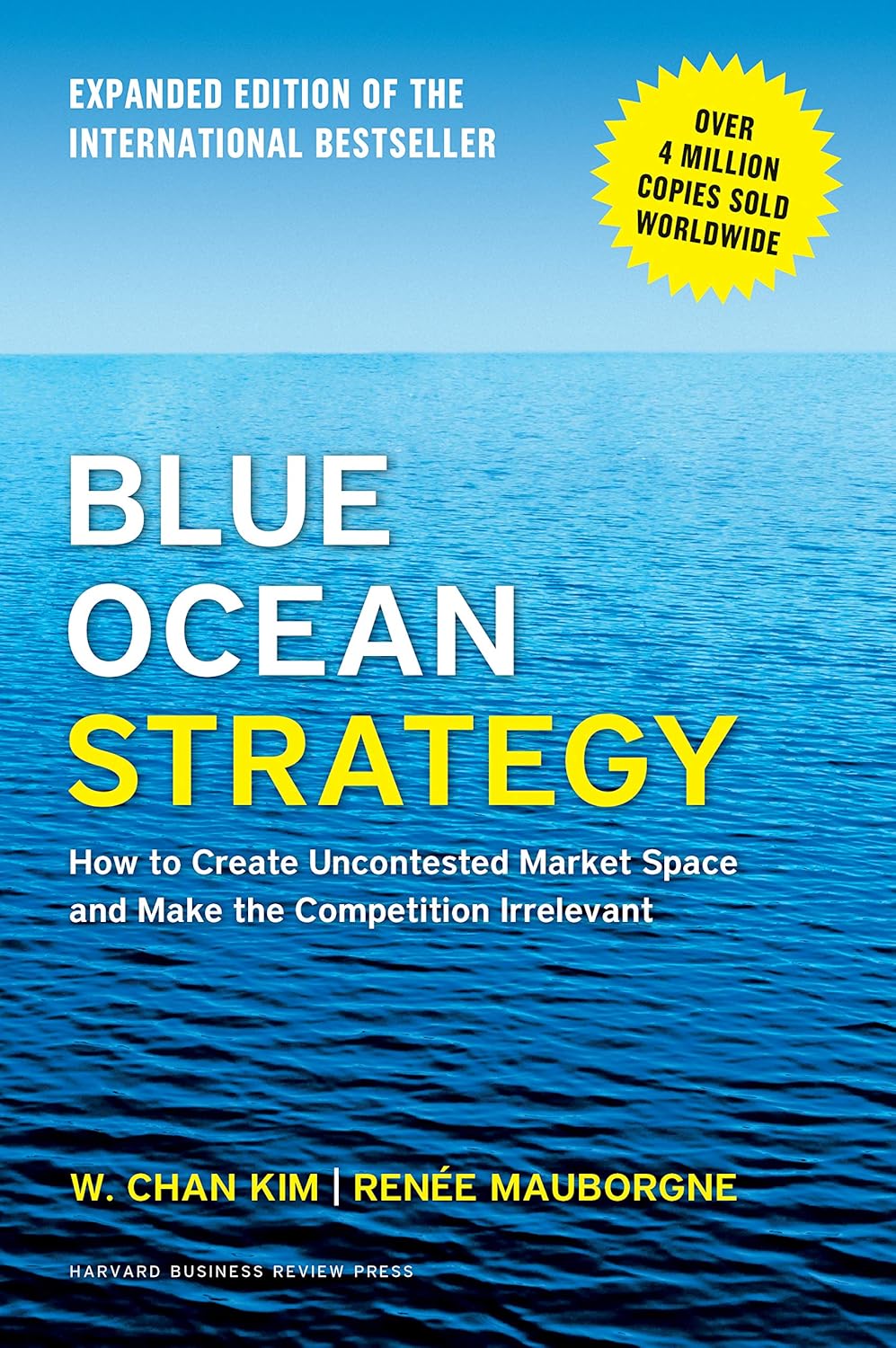
Business · Strategy
Blue Ocean Strategy
What I want to remember
This book shifted my strategic thinking from competition to value innovation. The concept of creating uncontested market space rather than battling in "red oceans" of existing demand is liberating. I've applied their systematic approach to simultaneously pursuing differentiation and low cost in several projects, helping to break the value-cost trade-off.
Business · Innovation
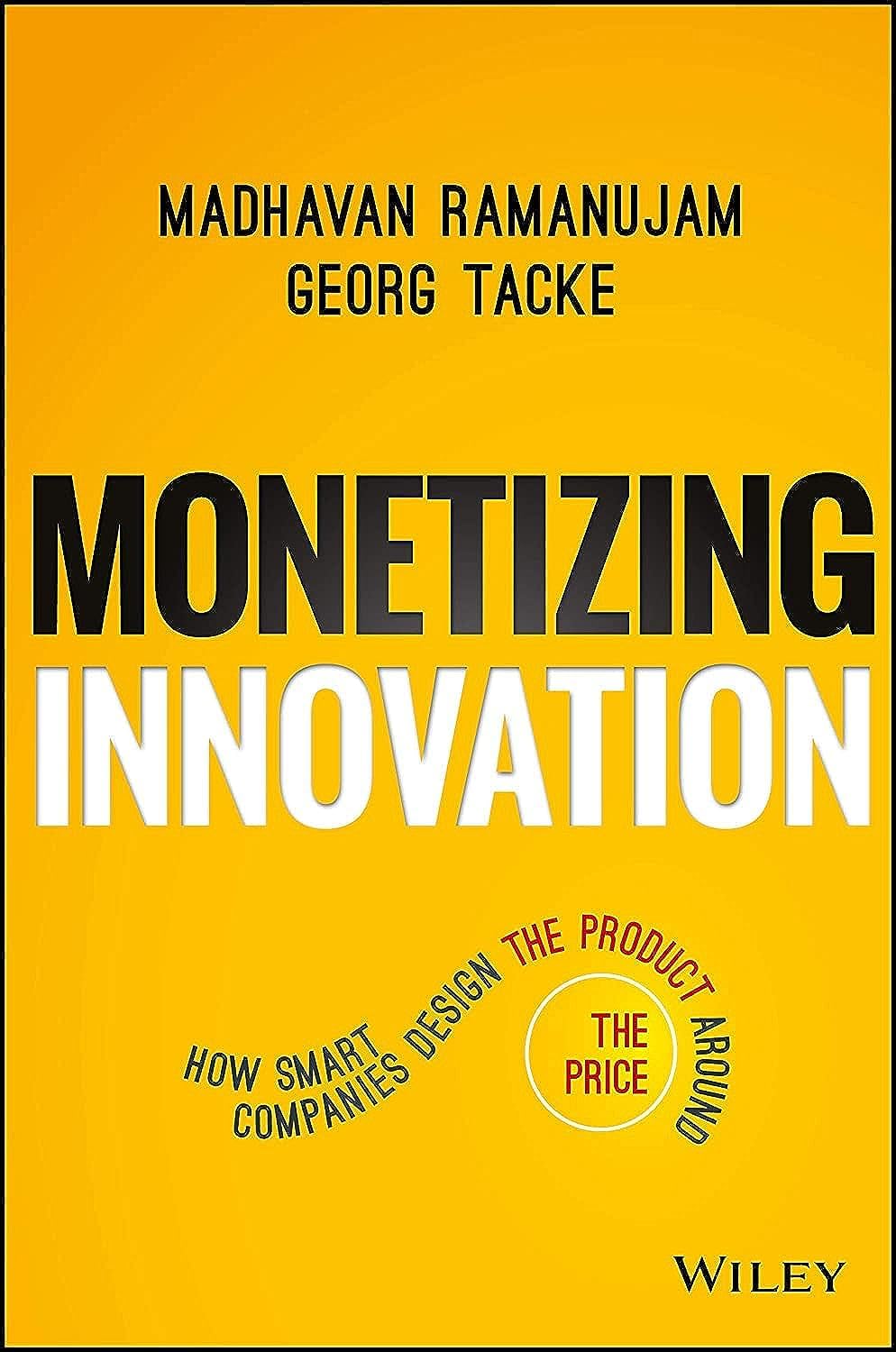
Monetizing Innovation
What I want to remember
Ramanujam and Tacke's insight that pricing should be part of product design, not an afterthought, was revolutionary for my approach to innovation. Their framework for understanding willingness-to-pay before building products has saved me from developing features customers wouldn't value. The book's emphasis on monetization as a design parameter has directly improved product-market fit in my projects.
Biography · Technology
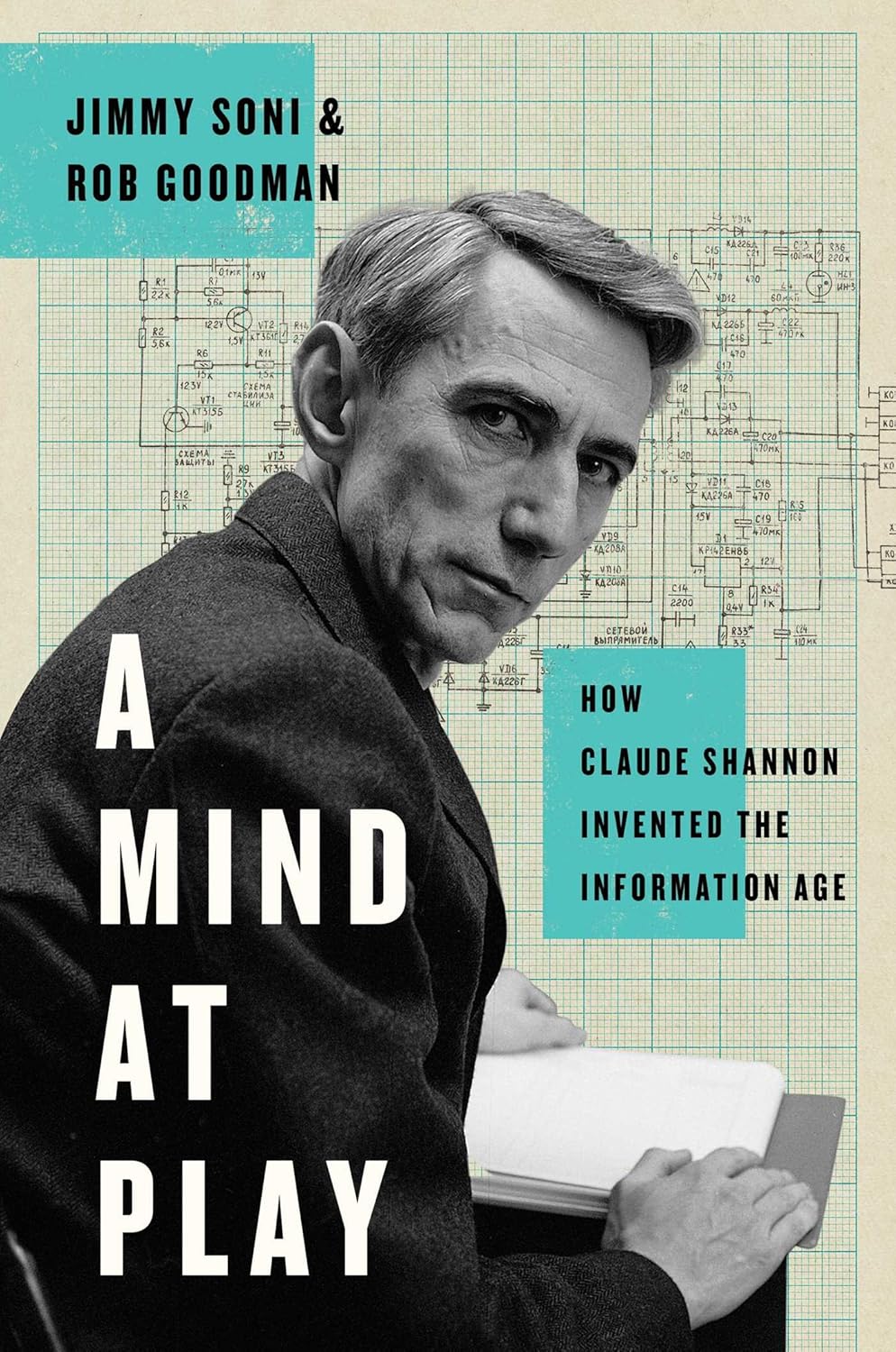
A Mind at Play
What I want to remember
This biography of Claude Shannon illuminated how playful curiosity can lead to profound breakthroughs. Shannon's approach to information theory - treating it as a mathematical puzzle - showed me that complex problems often yield to elegant solutions when viewed through the right lens. His balance of theoretical work and hands-on tinkering has inspired my own approach to problem-solving.

Health · Sports
Training for the Uphill Athlete
What I want to remember
House, Johnston, and Jornet's science-based approach to mountain endurance training transformed my understanding of athletic development. Their emphasis on aerobic base building and periodization has dramatically improved my mountain performance. The book's blend of practical training advice and physiological explanations helped me design more effective training plans for ambitious mountain objectives.
Business · Leadership
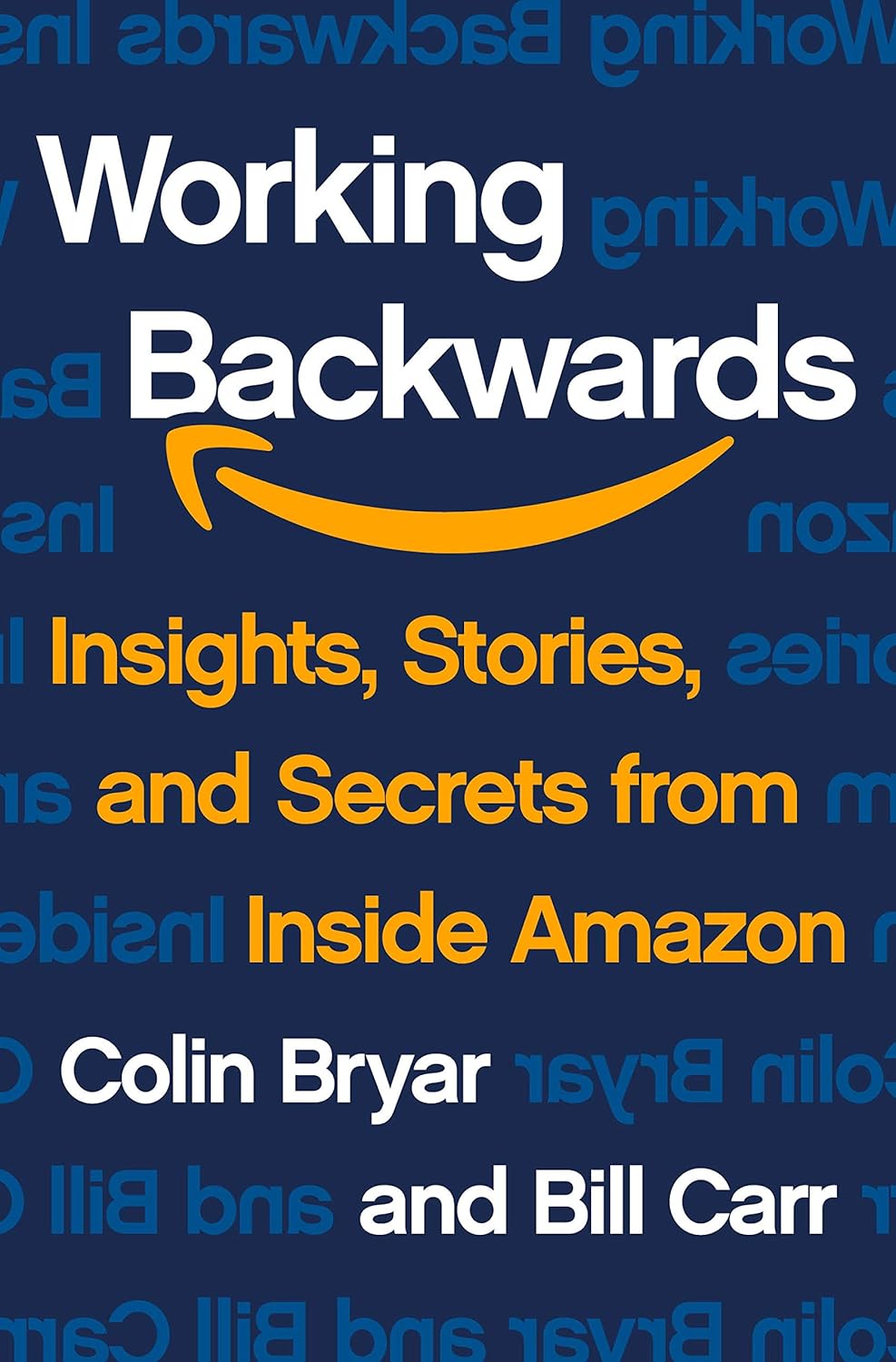
Working Backwards
What I want to remember
Bryar and Carr's insider account of Amazon's leadership principles and operational practices provided valuable insights into building customer-centric organizations at scale. The book's detailed explanations of processes like the PR/FAQ and six-page memo have influenced how I approach product development and communication. Their emphasis on mechanisms over good intentions has been particularly valuable in creating accountability in team settings.

Philosophy · Finance
Antifragile
What I want to remember
Taleb's concept of antifragility—systems that gain from disorder—fundamentally changed my approach to risk and uncertainty. His distinction between fragile, robust, and antifragile systems helped me design better strategies in volatile environments. The book's wide-ranging applications across fields from medicine to economics demonstrated how embracing variability and stress (within limits) can lead to stronger systems than those designed to resist change.
Science · Philosophy
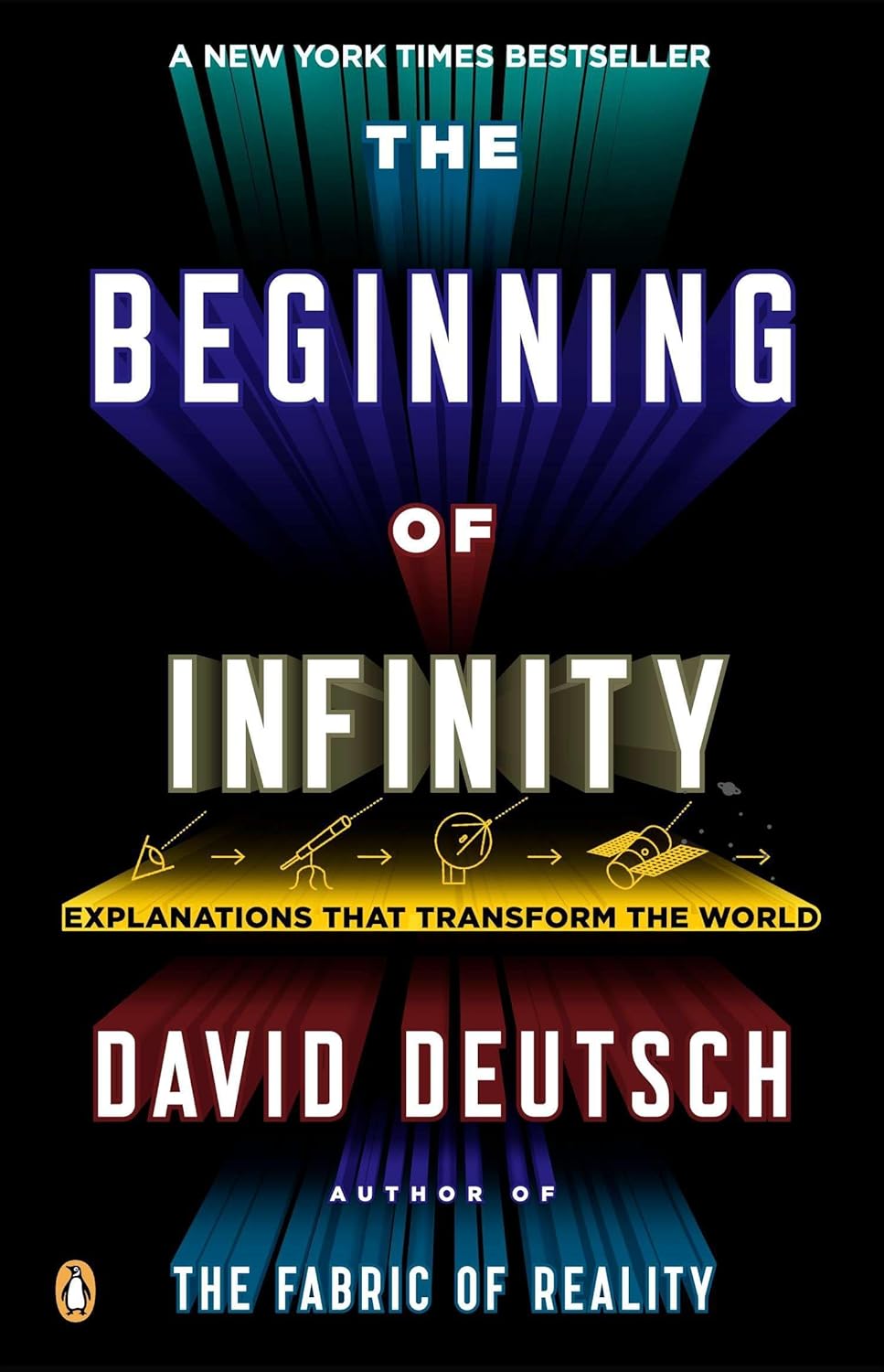
The Beginning of Infinity
What I want to remember
Deutsch's exploration of how human knowledge and creativity enable unlimited progress expanded my thinking about innovation and problem-solving. His argument that all failures of knowledge are due to errors in our approach rather than inherent limitations resonated deeply with me. The book's connections between fields like physics, computation, and epistemology revealed the universal patterns in how we create explanations and solve problems.
Business · Leadership
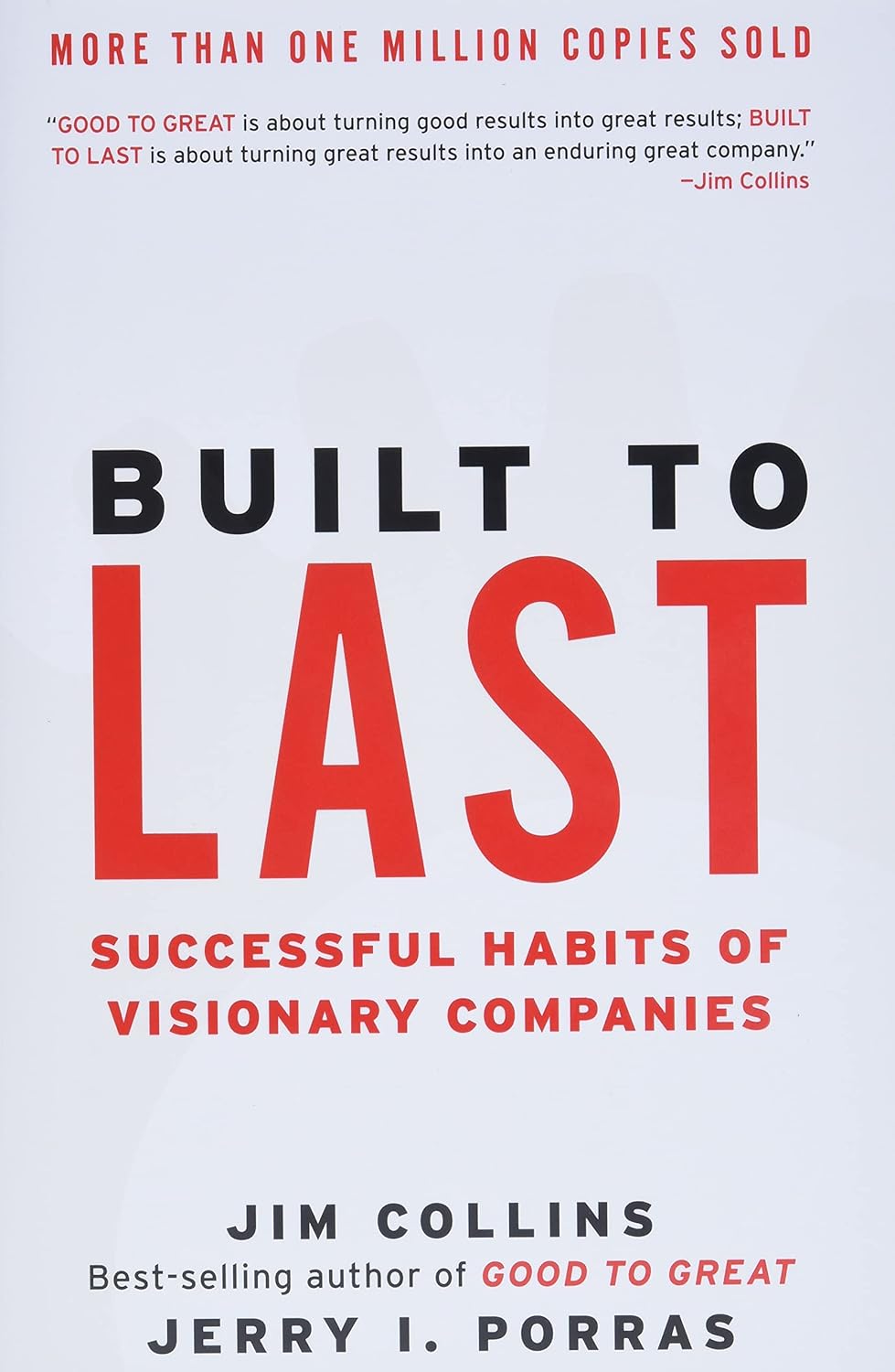
Built to Last
What I want to remember
Collins and Porras's research on visionary companies that outperformed their competitors for generations provided valuable insights into building enduring organizations. Their findings challenged many business myths and showed the importance of core ideology, BHAGs (Big Hairy Audacious Goals), and continuous experimentation. The concept of "clock building, not time telling" has been particularly influential in my approach to leadership and organizational development.

Technology · Management
Drift into Failure
What I want to remember
Dekker's analysis of how complex systems gradually drift toward failure despite everyone's best efforts was eye-opening. His explanation of how local adaptations and optimization can lead to systemic vulnerabilities helped me understand organizational risk in a new way. The book's emphasis on safety as an emergent property rather than a simple cause-effect relationship has influenced how I approach risk management in complex environments.
Leadership · Management
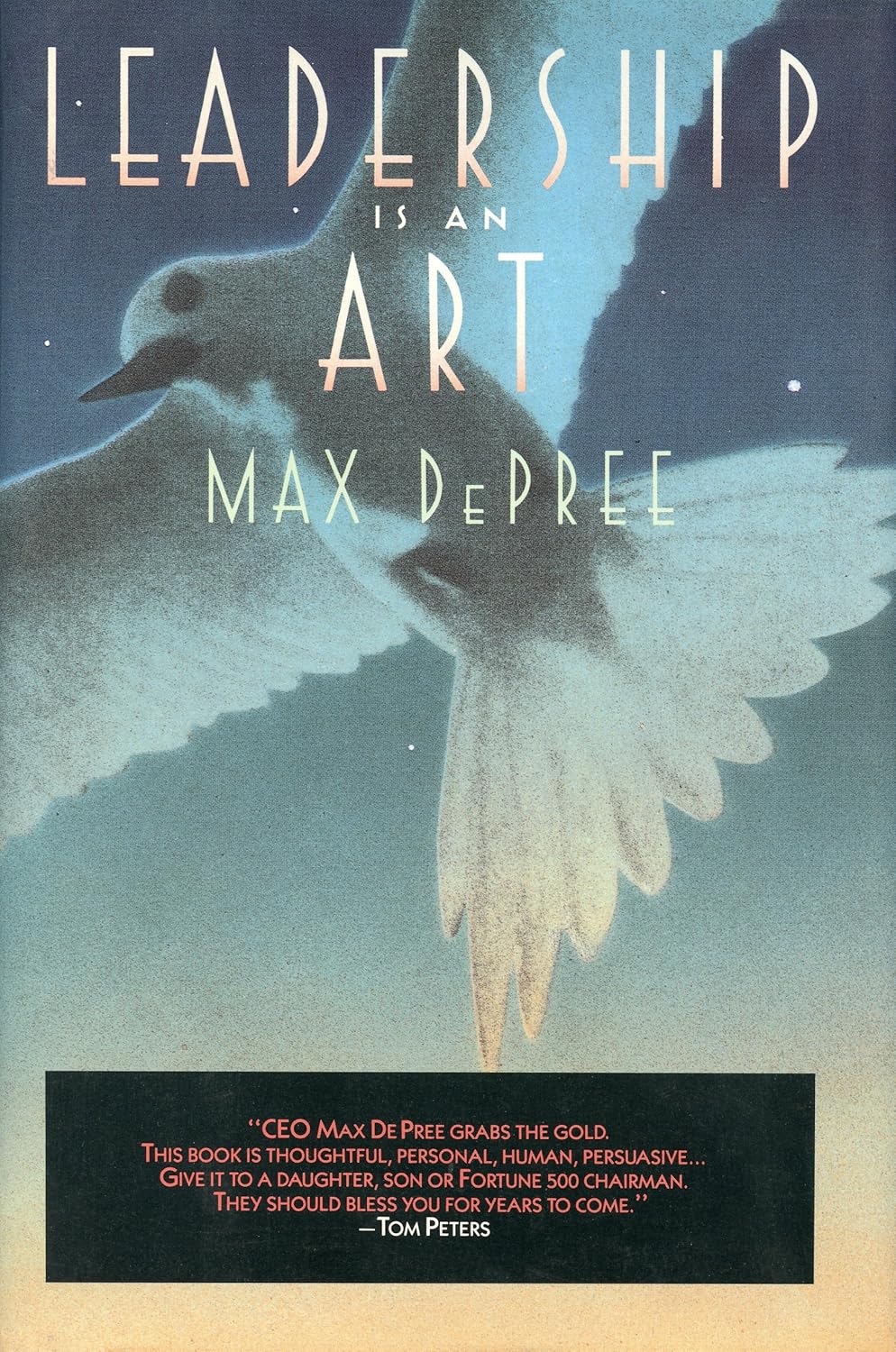
Leadership Is an Art
What I want to remember
DePree's humanistic approach to leadership as stewardship and service resonated deeply with me. His emphasis on inclusive relationships, covenantal leadership, and the importance of abandoning oneself to the strengths of others challenged traditional hierarchical management thinking. The book's focus on creating environments where people can flourish has influenced how I build and lead teams, emphasizing potential and contribution over control.
Philosophy · Personal Development
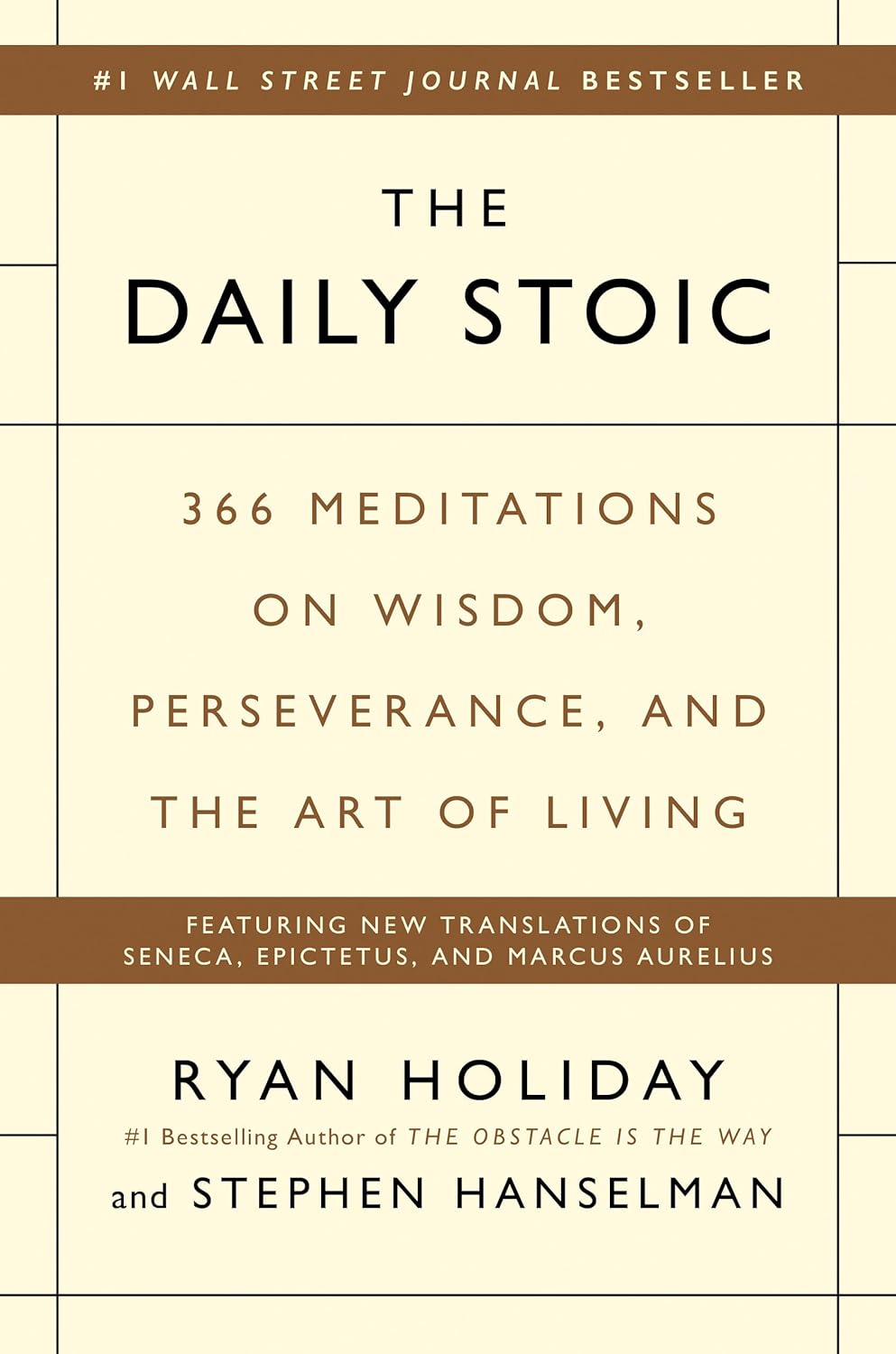
The Daily Stoic
What I want to remember
Holiday and Hanselman's collection of Stoic wisdom organized into daily meditations has been a practical guide for applying ancient philosophy to modern challenges. The book's emphasis on focusing on what we can control, accepting what we cannot, and viewing obstacles as opportunities has helped me maintain perspective during difficult times. The daily format made these profound ideas accessible and actionable in everyday life.

Business · Technology
The Digital Transformation Playbook
What I want to remember
Rogers' framework for adapting traditional businesses to digital challenges provided practical strategies for navigating technological disruption. His five domains of transformation—customers, competition, data, innovation, and value—offered a comprehensive approach to rethinking business models. The book's balance of strategic thinking and tactical implementation has been valuable in helping organizations evolve without losing their core strengths.

Finance · Investing
Expectations Investing
What I want to remember
Rappaport and Mauboussin's reverse-engineered approach to stock valuation transformed my investment analysis process. By starting with market price and working backward to determine what expectations are built in, I gained a powerful framework for identifying market mispricings. Their emphasis on competitive advantage period and value drivers helped me focus on the factors that truly matter for long-term value creation rather than getting distracted by short-term financial metrics.
Innovation · History
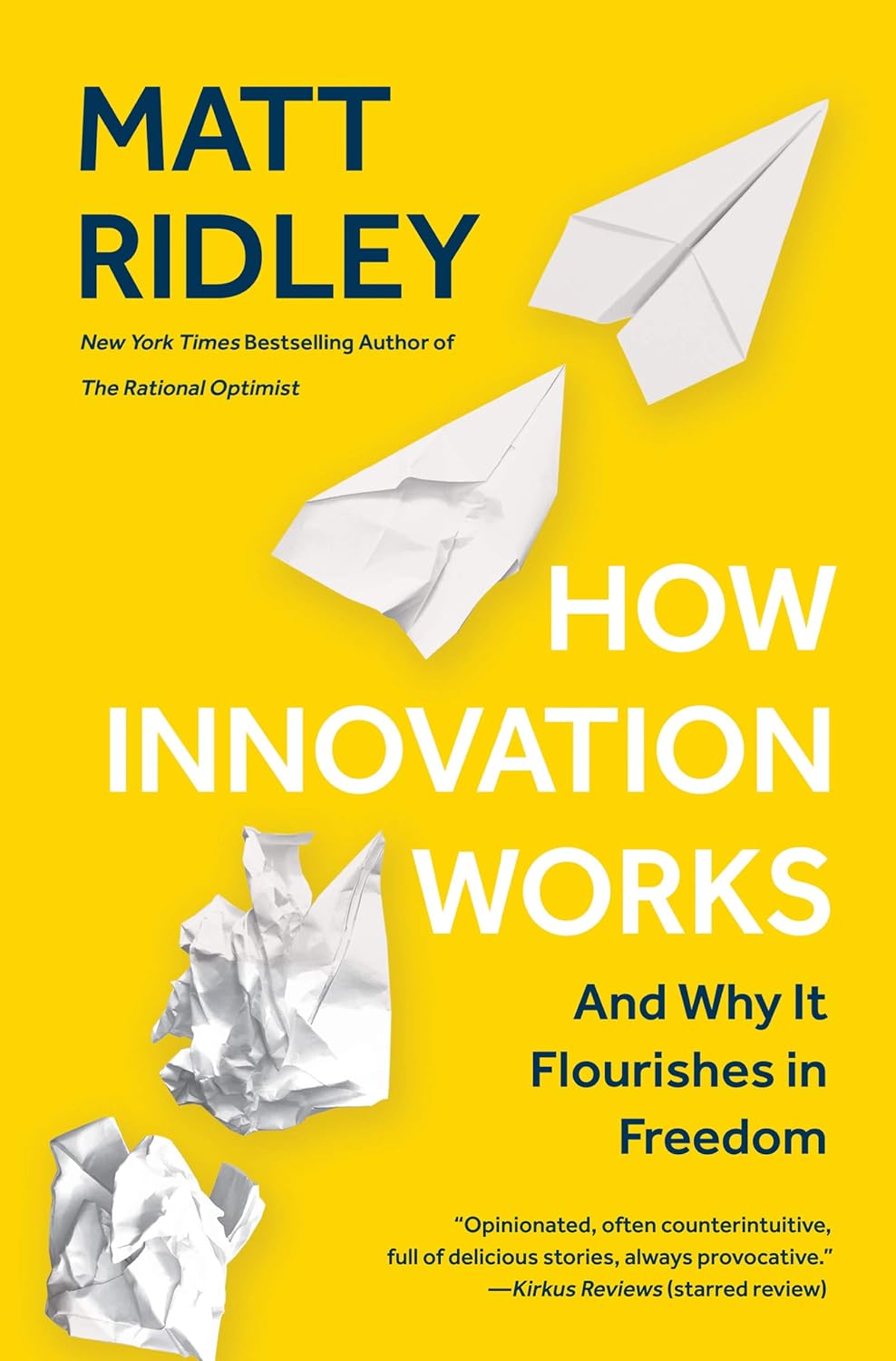
How Innovation Works
What I want to remember
Ridley's exploration of innovation as an evolutionary, bottom-up process rather than a planned, top-down one challenged my assumptions about technological progress. His historical examples illustrated how innovation thrives in environments of freedom and competition, often emerging from practical problem-solving rather than pure scientific discovery. The book's emphasis on innovation as a gradual, cumulative process of trial and error has influenced how I approach creative challenges in my own work.
Business · Leadership
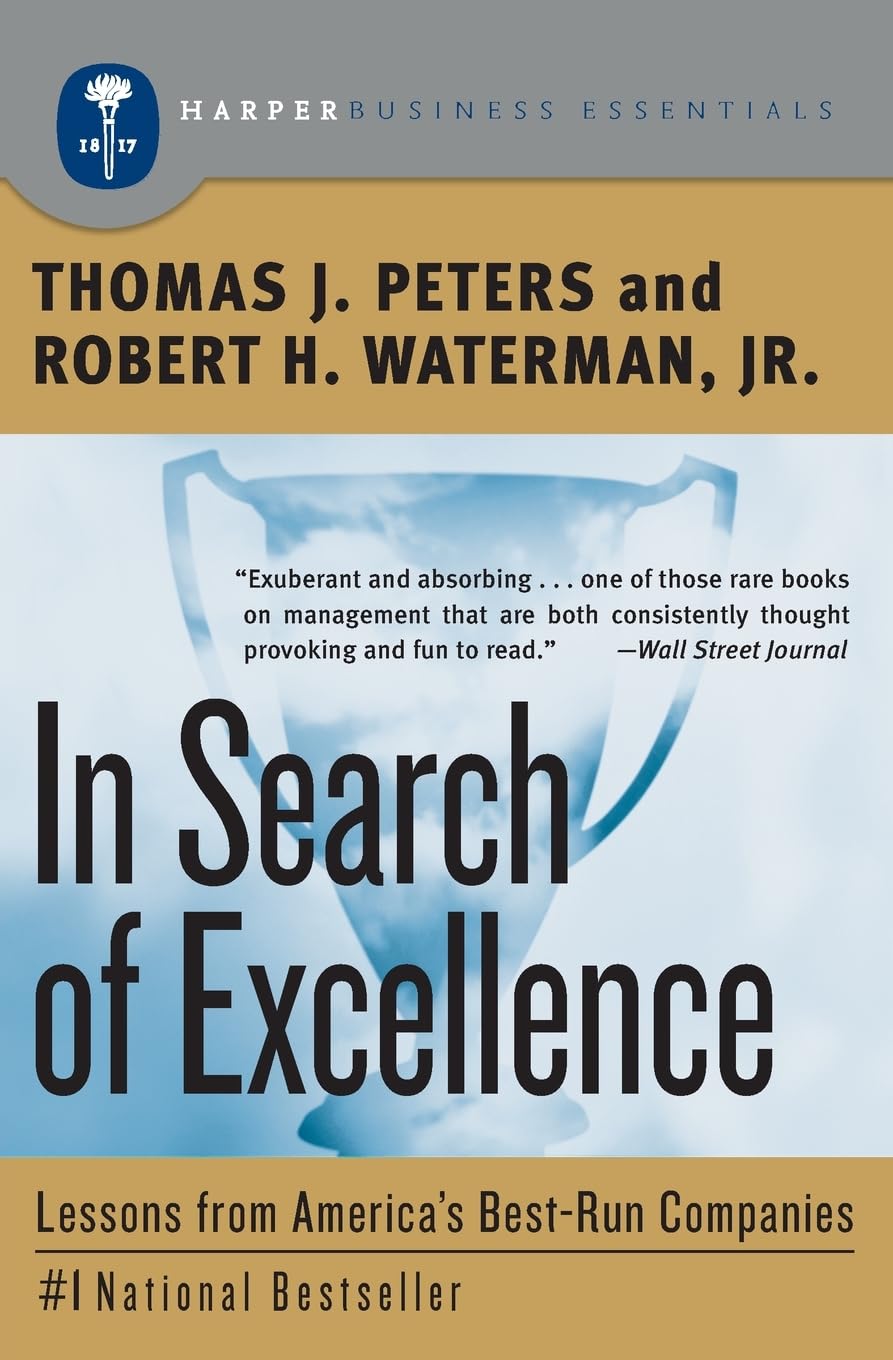
In Search of Excellence
What I want to remember
Peters and Waterman's groundbreaking study of America's best-run companies provided me with timeless principles of effective management. Their eight attributes of excellence—particularly the bias for action and staying close to the customer—have influenced my approach to leadership. While some of their exemplar companies later faltered, the book's emphasis on people, customers, and values over purely analytical approaches to management remains relevant in today's business environment.
Data Science · Communication
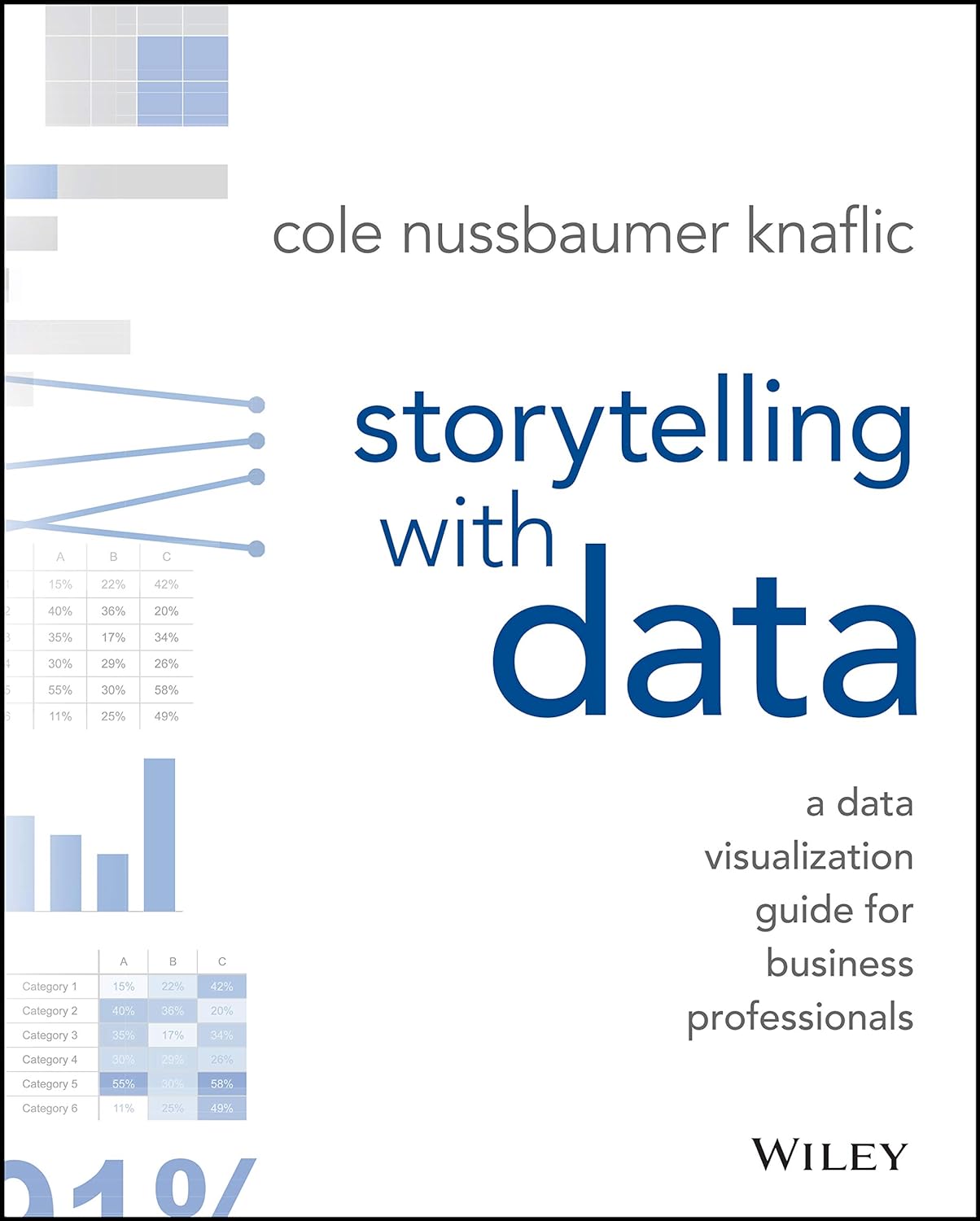
Storytelling with Data
What I want to remember
Knaflic's practical approach to data visualization transformed how I present analytical information. Her emphasis on understanding context, choosing appropriate visuals, and eliminating clutter has made my presentations significantly more impactful. I particularly value her framework for turning data into compelling narratives that drive action rather than just displaying information. This book has become my go-to reference whenever I need to communicate complex data effectively.
Innovation · History
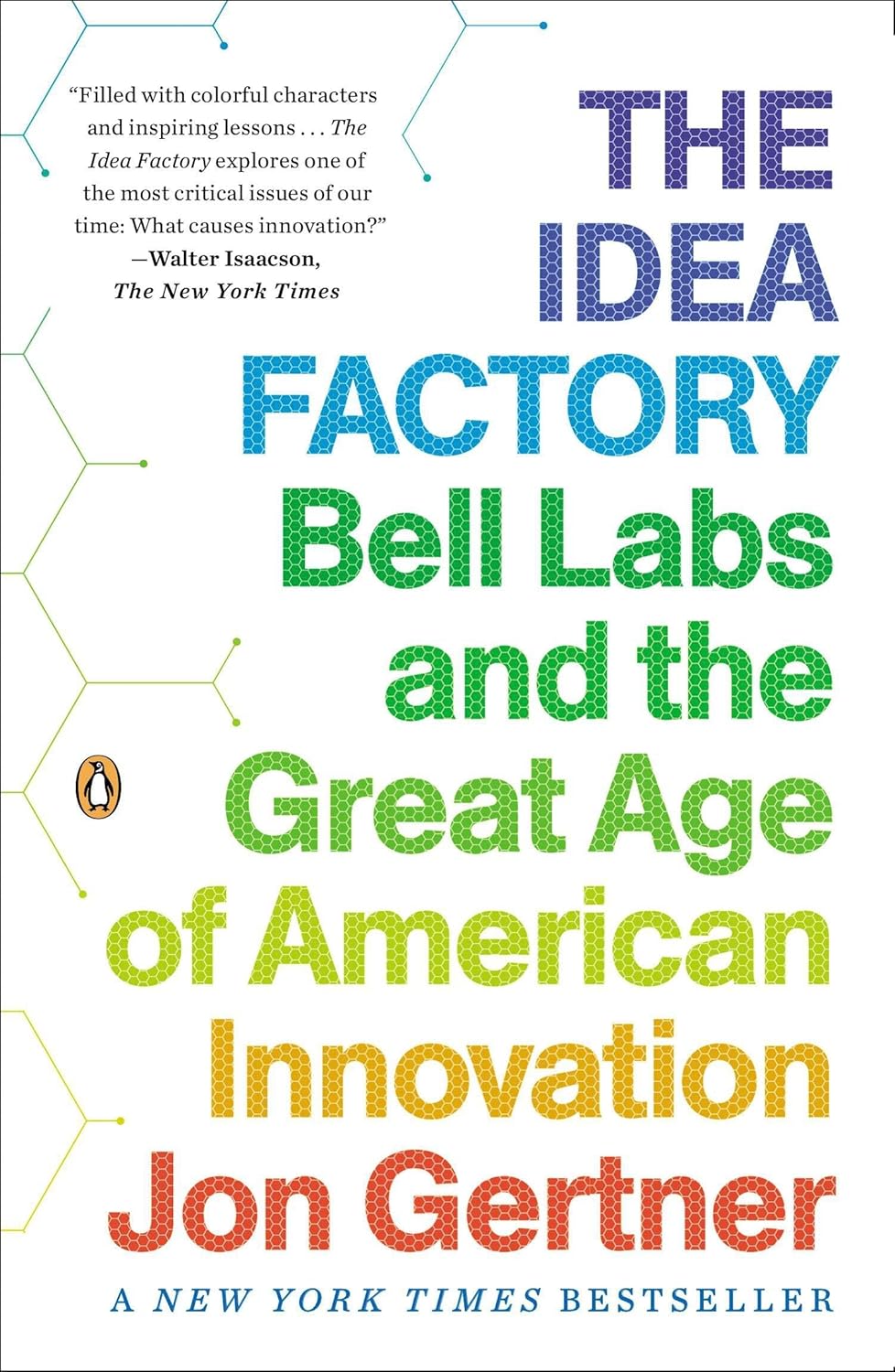
The Idea Factory
What I want to remember
Gertner's history of Bell Labs revealed to me how the right organizational structure can foster unprecedented innovation. The combination of brilliant minds, ample resources, and patient capital created an environment where transformative technologies like the transistor, laser, and information theory could emerge. I was particularly struck by how Bell Labs balanced pure scientific research with practical engineering applications, creating a virtuous cycle of discovery and implementation that modern innovation hubs still strive to replicate.
Science · Philosophy
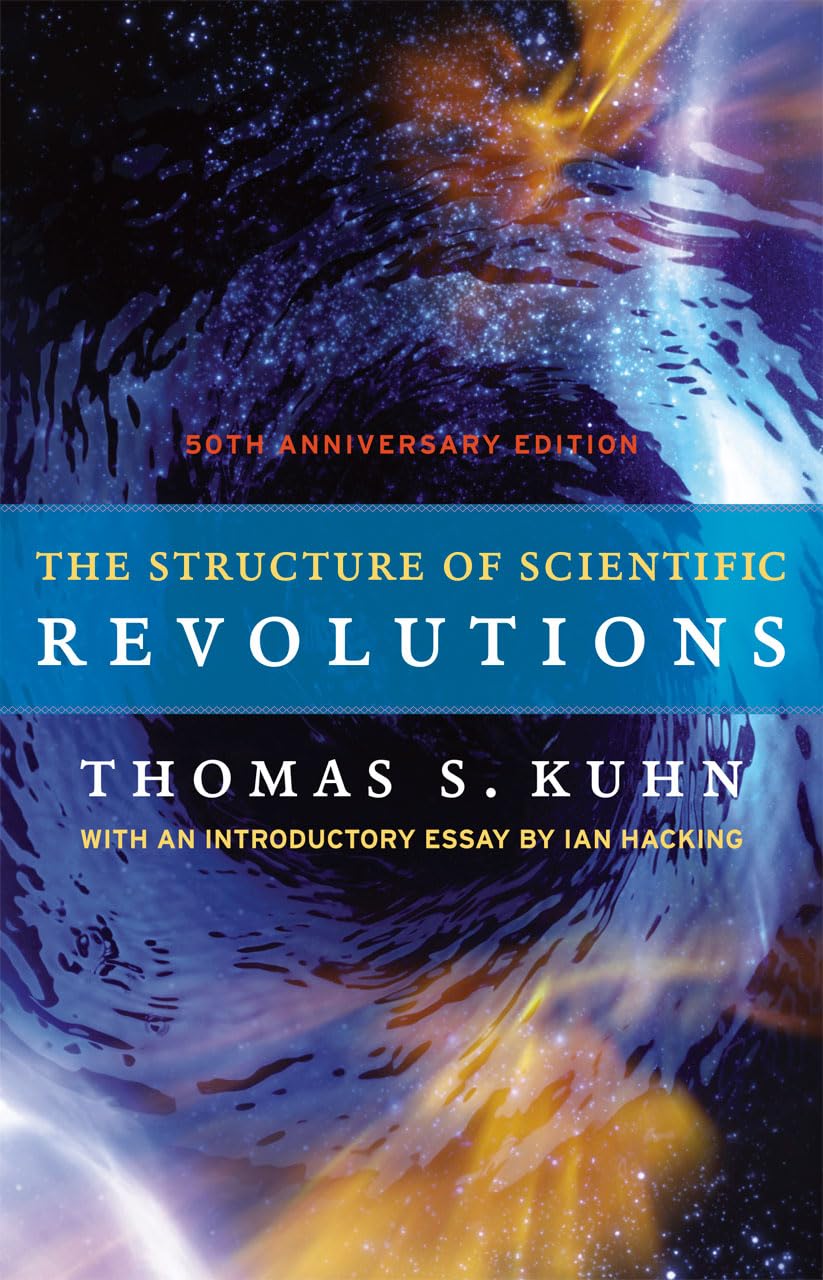
The Structure of Scientific Revolutions
What I want to remember
Kuhn's concept of paradigm shifts fundamentally altered my understanding of how scientific progress actually works. His insight that science doesn't simply accumulate knowledge linearly, but undergoes periodic revolutionary transformations where entire frameworks of understanding are replaced, helped me recognize similar patterns in technology and business. The book's exploration of how established paradigms resist change until anomalies become too numerous to ignore has been particularly valuable in understanding institutional resistance to new ideas.

Biography · Business
The Fish That Ate the Whale
What I want to remember
Cohen's biography of Samuel Zemurray, the banana mogul who rose from immigrant pushcart peddler to kingmaker, offered me a complex portrait of ambition and its consequences. Zemurray's story exemplifies both the American dream and its darker underbelly—his business acumen and determination were remarkable, but came with profound ethical compromises and geopolitical manipulations. The book challenged me to consider the full spectrum of impacts that business leaders have beyond profit margins, and how power concentrated in private hands can shape nations.
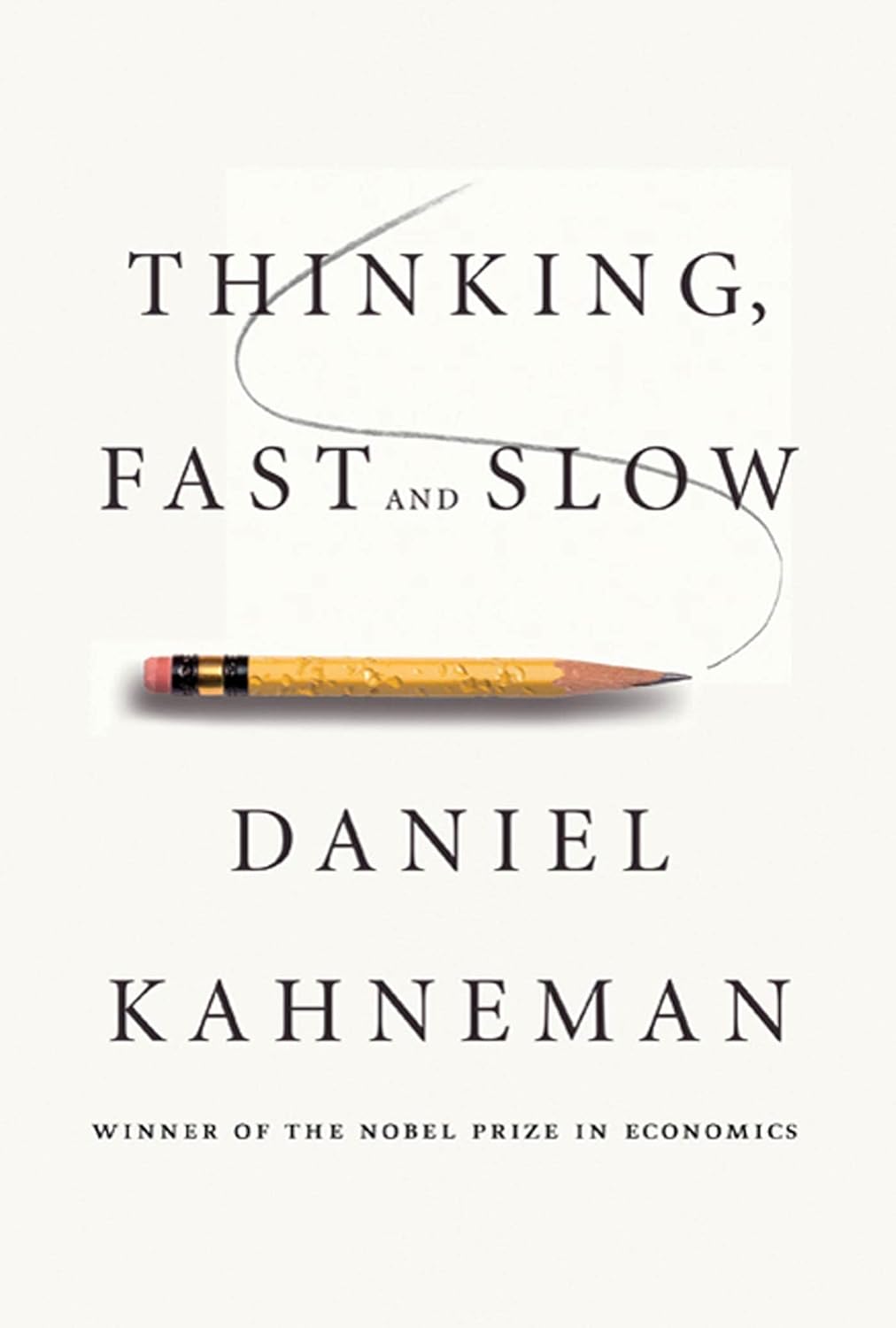
Psychology · Decision Making
Thinking Fast and Slow
What I want to remember
Kahneman's exploration of the two systems that drive our thinking—the fast, intuitive System 1 and the slow, deliberate System 2—has profoundly influenced how I approach decision-making. Learning about cognitive biases like anchoring, availability, and loss aversion has made me more aware of my own thinking errors and more deliberate in important choices. The book's insights on overconfidence and the illusion of understanding have been particularly valuable in my professional life, reminding me to question my assumptions and seek diverse perspectives.

Health · Psychology
Why Zebras Don't Get Ulcers
What I want to remember
Sapolsky's explanation of how our stress response evolved for short-term physical crises but becomes destructive when chronically activated by modern psychological stressors completely changed my understanding of health. His accessible breakdown of the physiological mechanisms connecting stress to disease helped me recognize harmful patterns in my own life. The book's practical insights on stress management through social connection, perceived control, and predictability have been invaluable tools for improving my wellbeing in our high-pressure world.